











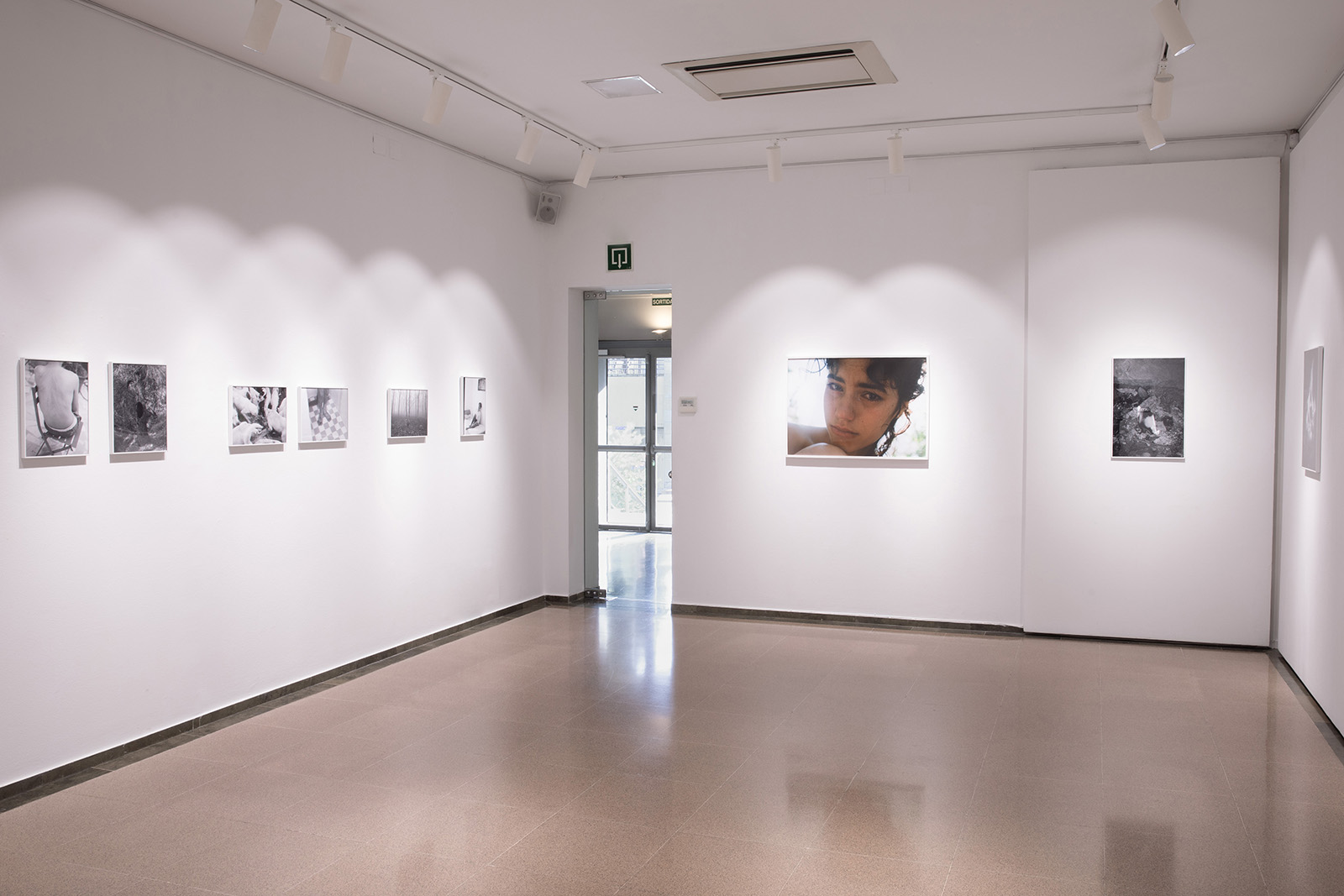


«Until the opportunity arrives, you don’t consider the exercise. This exhibition has been that opportunity, and it is the result of an exercise.
The exercise consisted of confronting an enormous number of photographs from recent years, spread out on the floor of a room. Putting oneself in order and making sense of oneself. Because being a photographer involves two moments: taking the photograph and giving it meaning.
This time, the challenge of shaping the exhibition was not resolved through a formal methodology, but a visceral one, made from the gut. It has been like grappling with a bull that is a mirror. Because if every photograph is a self-portrait, confronting them is like facing that bull: that black mass that charges and that, in the end, is nothing other than one’s own reflection.
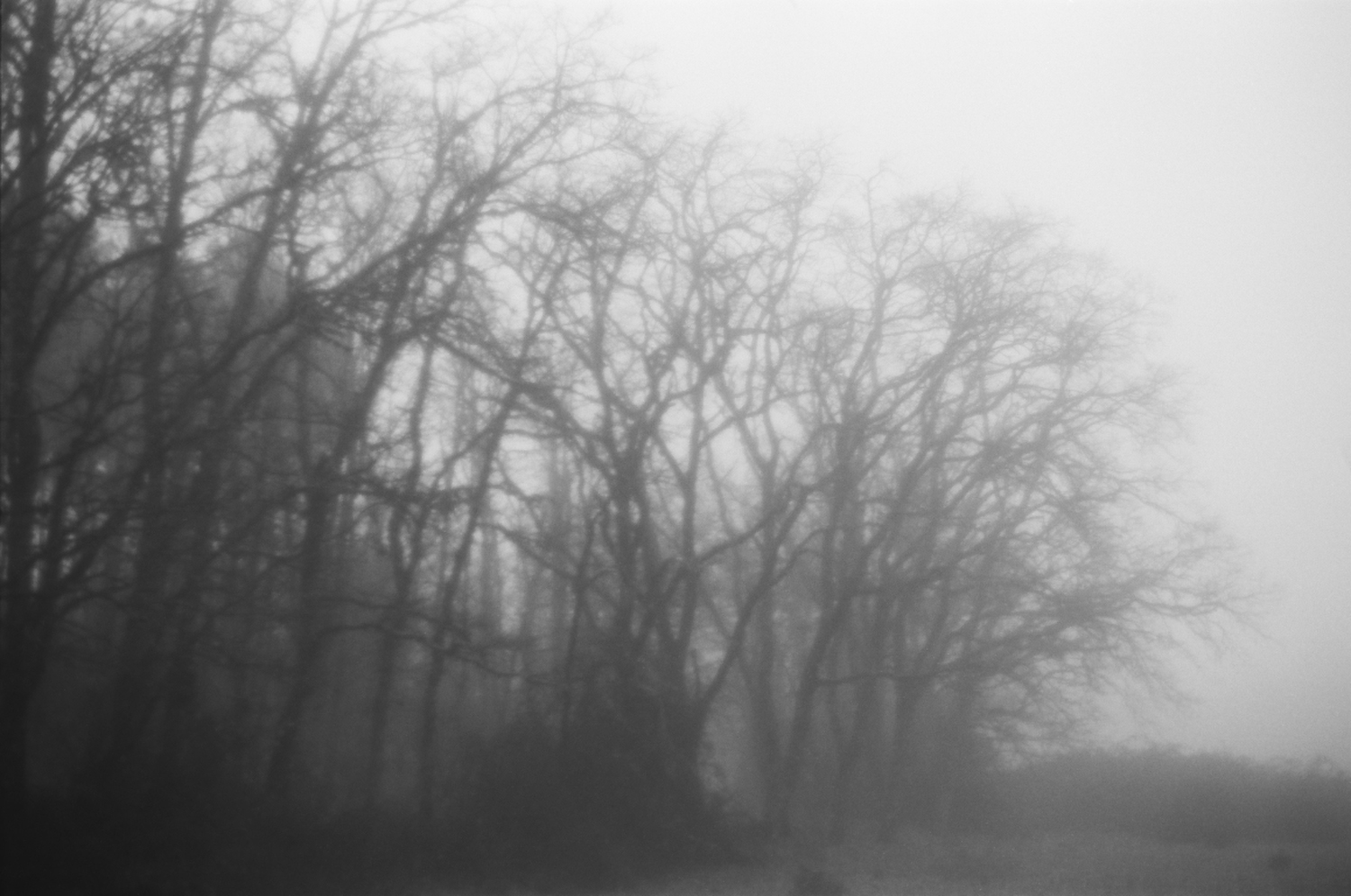
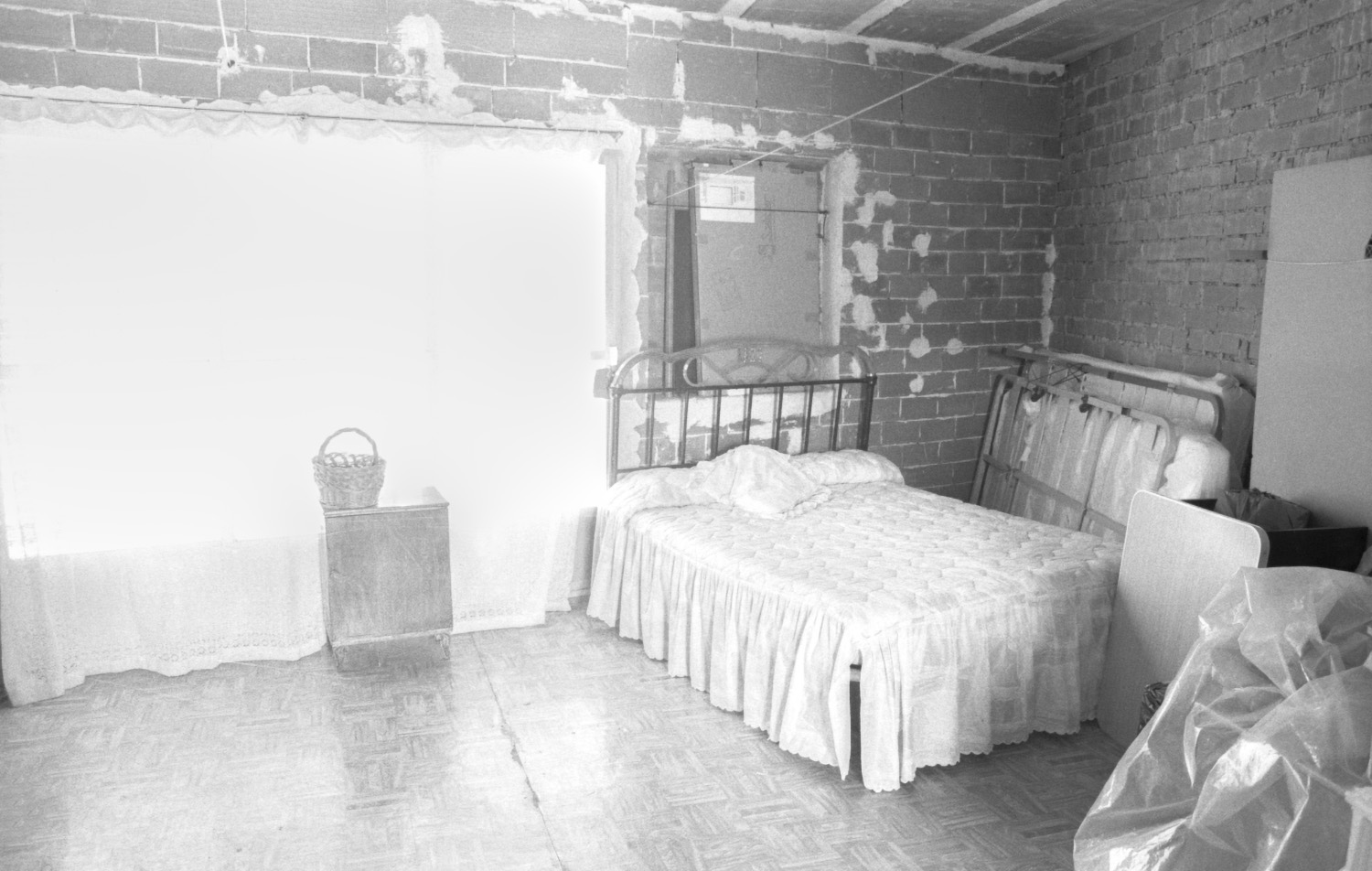
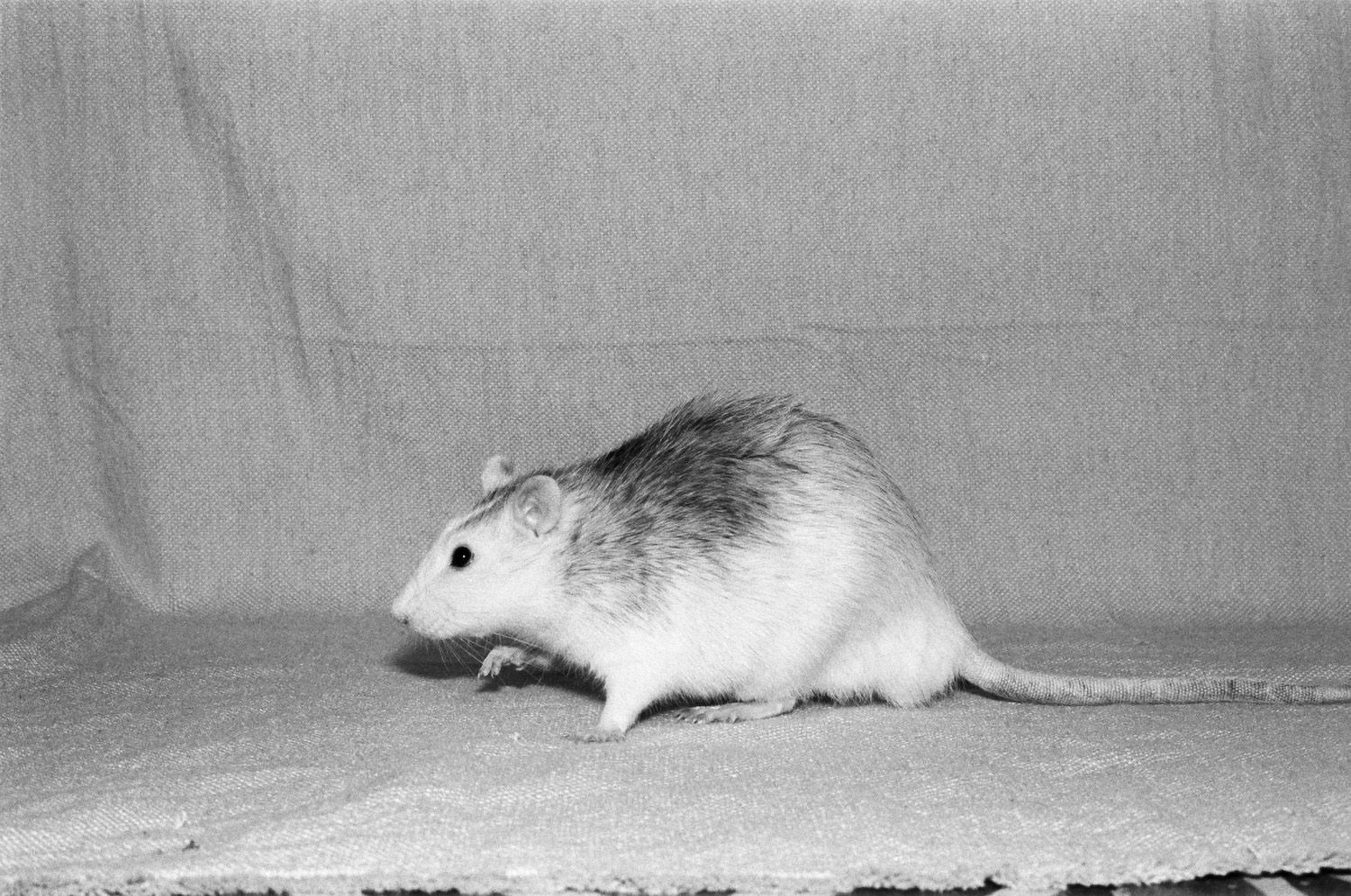
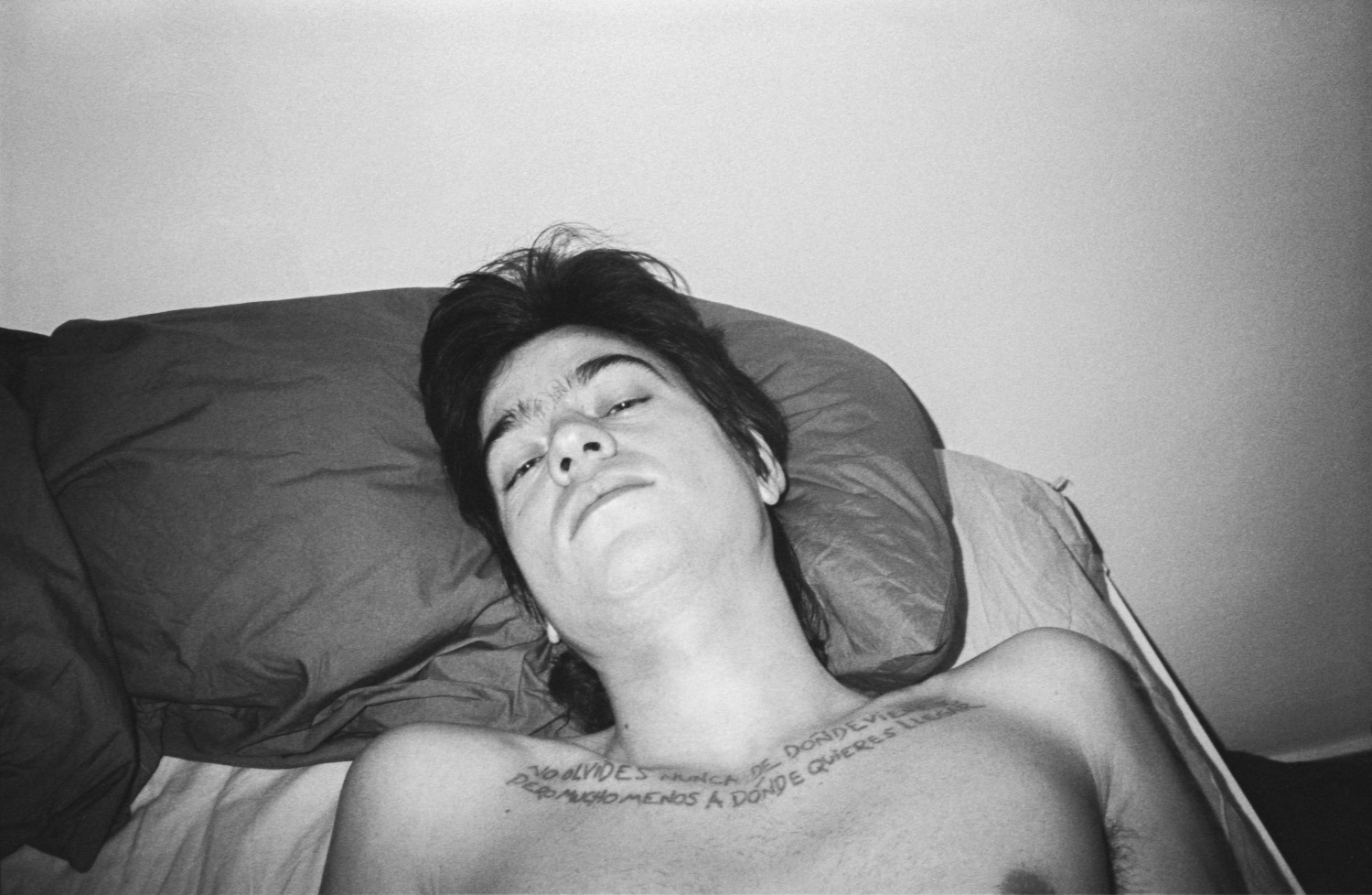
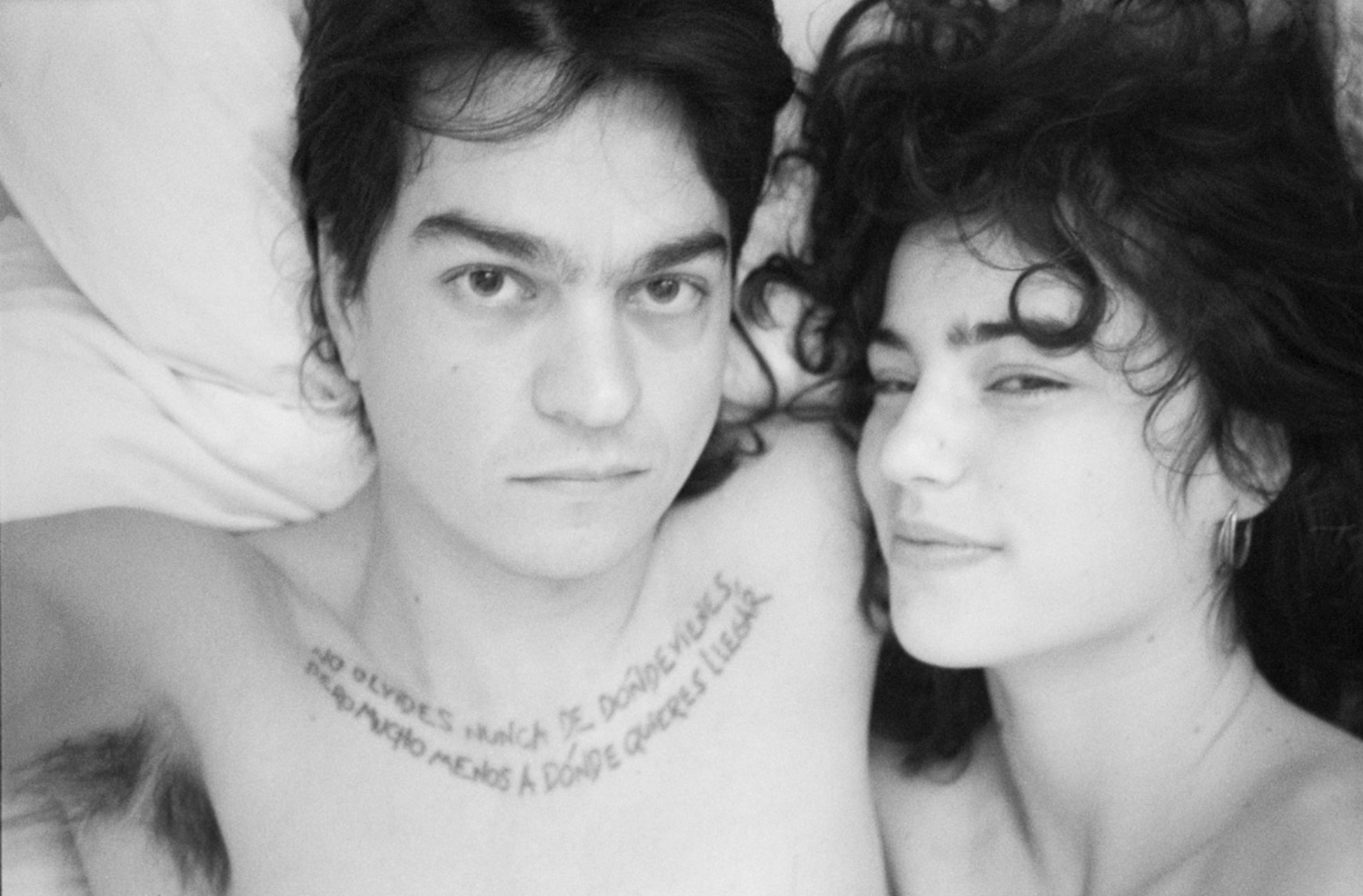
The result of this looking back and inward is not a chronicle, but rather —so it seems to me— a kind of song: grave, solemn, slow and syncopated in rhythm, where each silence weighs as much as a note. To that beat moves our photographer, advancing slowly. He invites us to look with him at what appears to be a life marked by urgency, love, and death, but also by a stubborn tenderness that pushes its way through the shadows.
From the images unfolds a wounded and lucid universe where, as in the flamenco singing that obsesses Pablo, beauty is born from trembling, from tearing pain, from a truth that dares to show itself without a mask. But songs
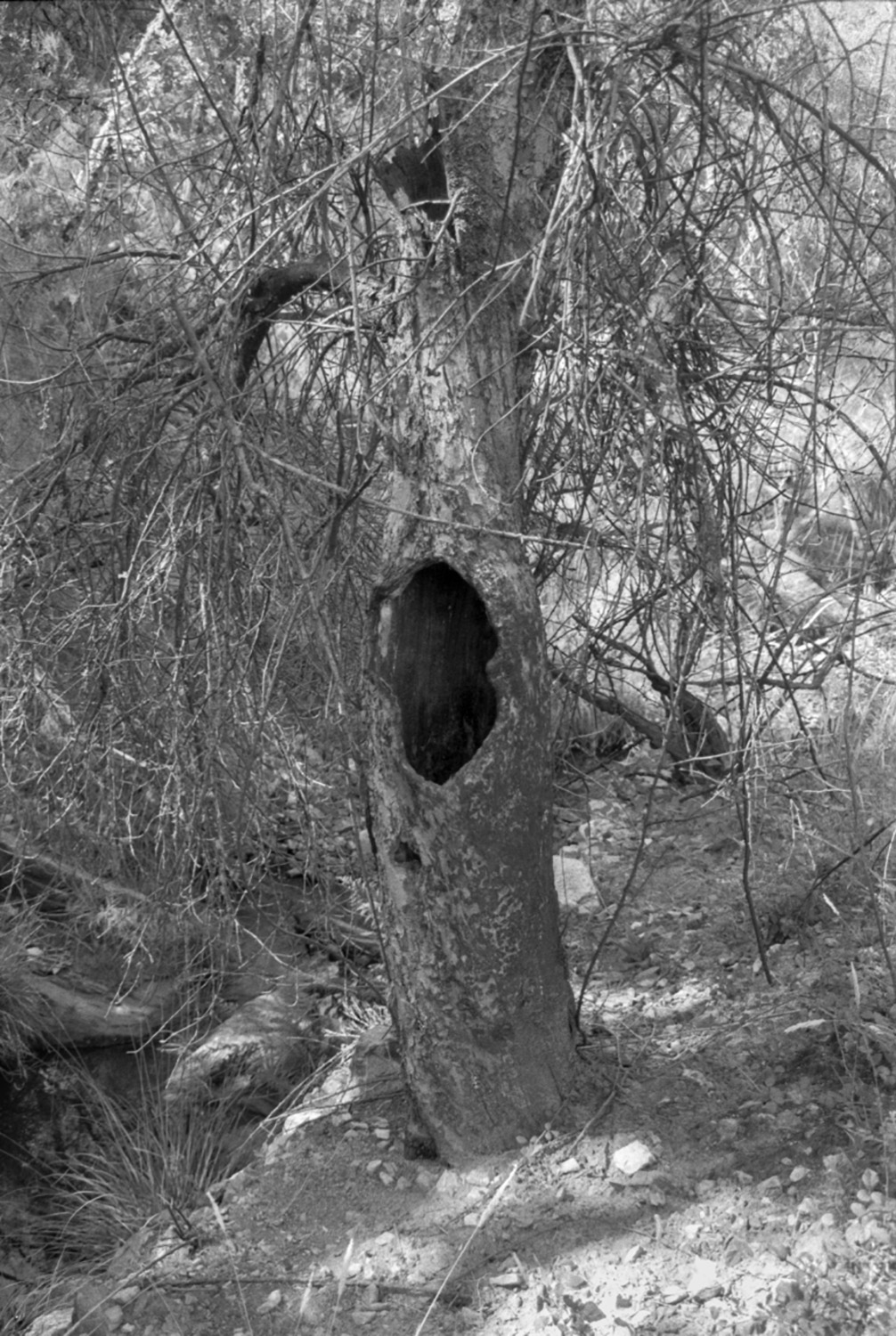
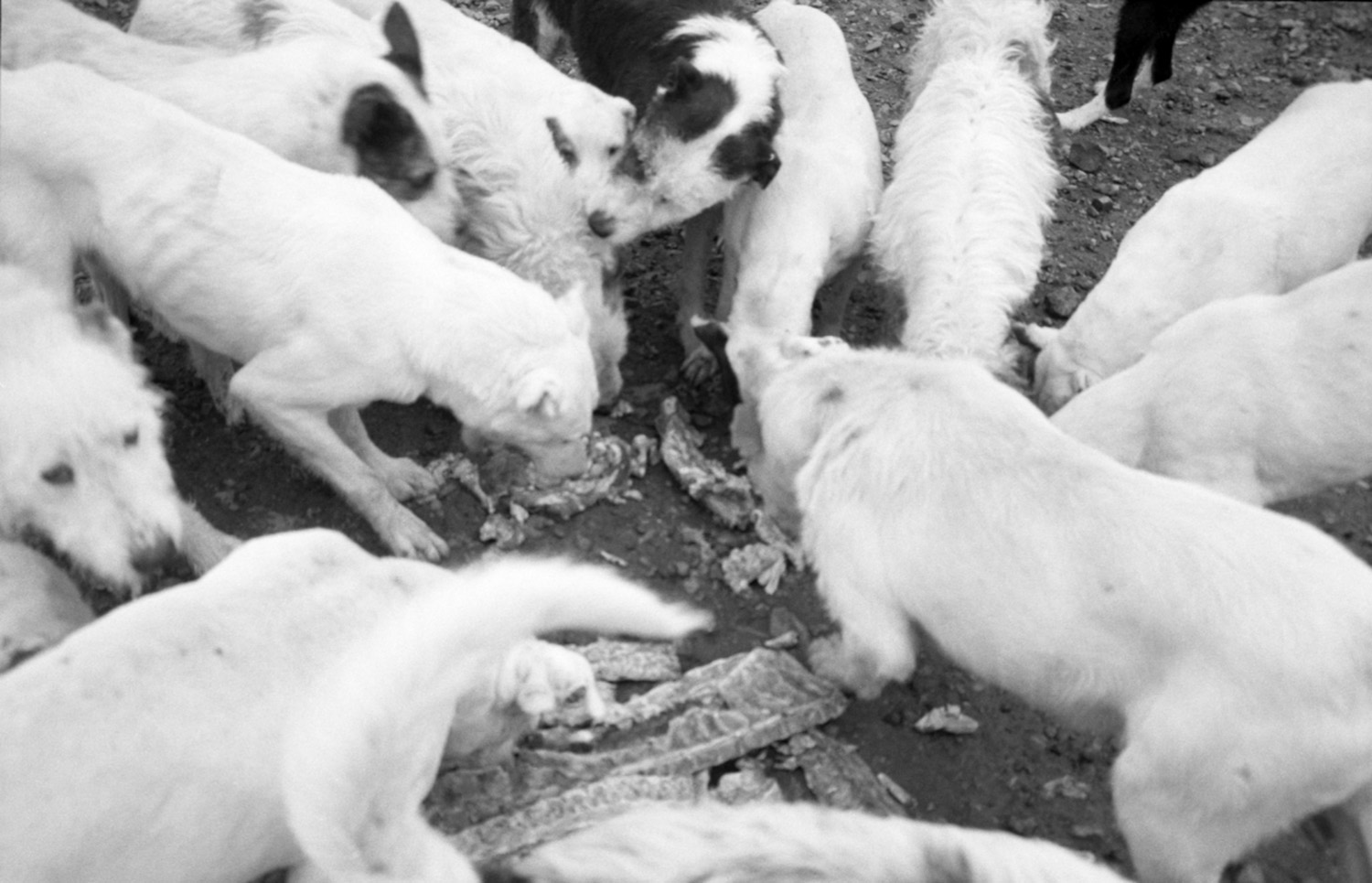
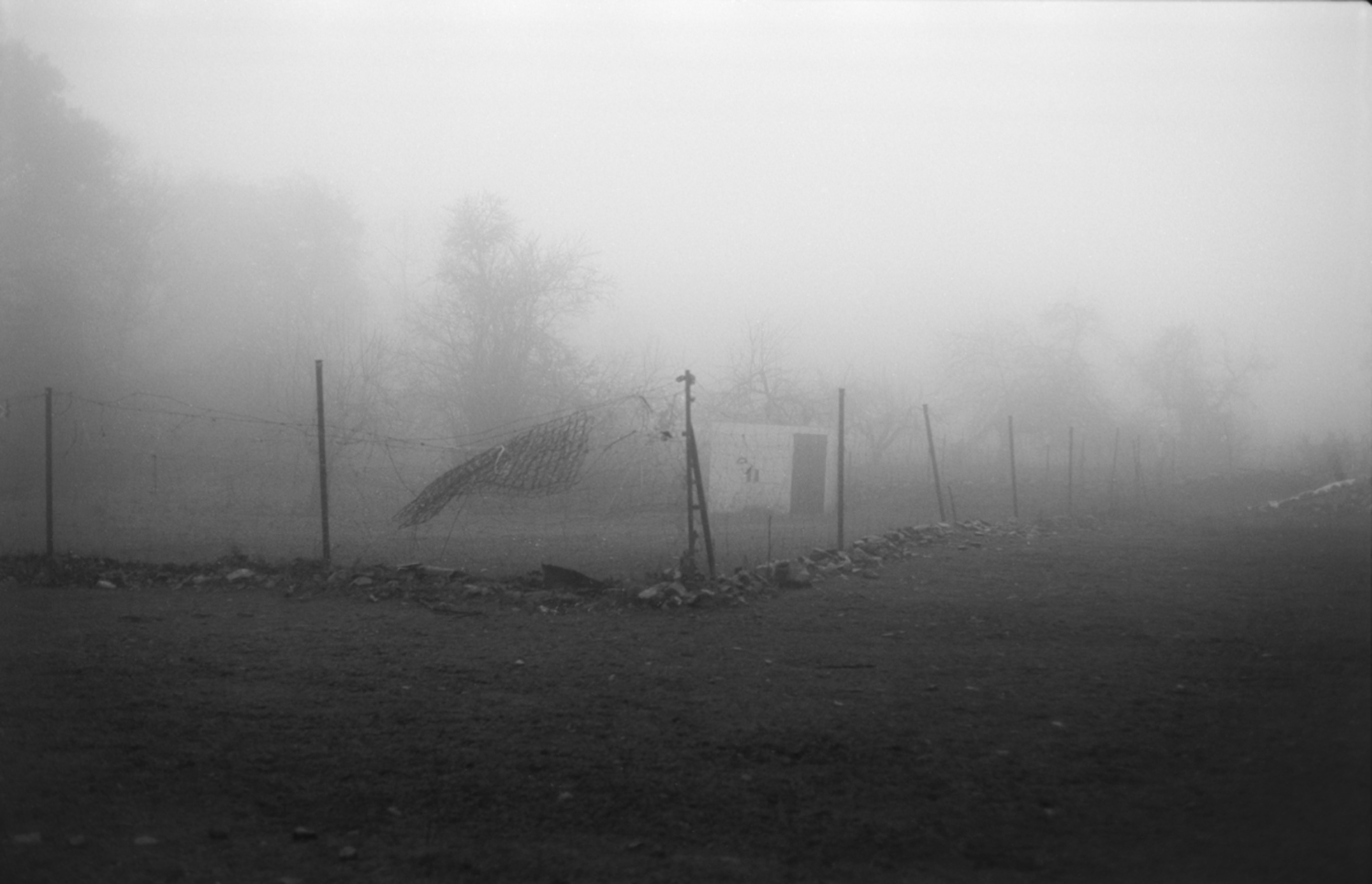
—even when they are harsh, painful, or fill our chests with freedom— always have a melody, a structure that allows us to move through them. In this exhibition, the rhythm of that melody is built on the alternation between Nature and Fate, Love and Death, the two pulses upon which that ancient genre beats. Thus, each photograph seems to contain an echo, a lament that is also a celebration: a wound that sings of the love that opened it, a love that is suffering and joy, loss and consolation.
The opportunity has therefore meant a double exposure. On the one hand, looking inward, confronting what one is; on the other, sharing oneself and assuming the risk of being seen by others, of stripping bare with no possible defense. Because if there is no truth, if the bull does not charge, there is no song.
In this exhibition, which is a bullring, the photographer places himself before his own bull, under the gaze of all of us, and, to the rhythm of a seguiriya, lets us hear his Quejío.»
Curatorial text
Mateo Pérez